Functional interview
Understanding your symptoms, medical history, lifestyle and the events that may have shaped your current function.

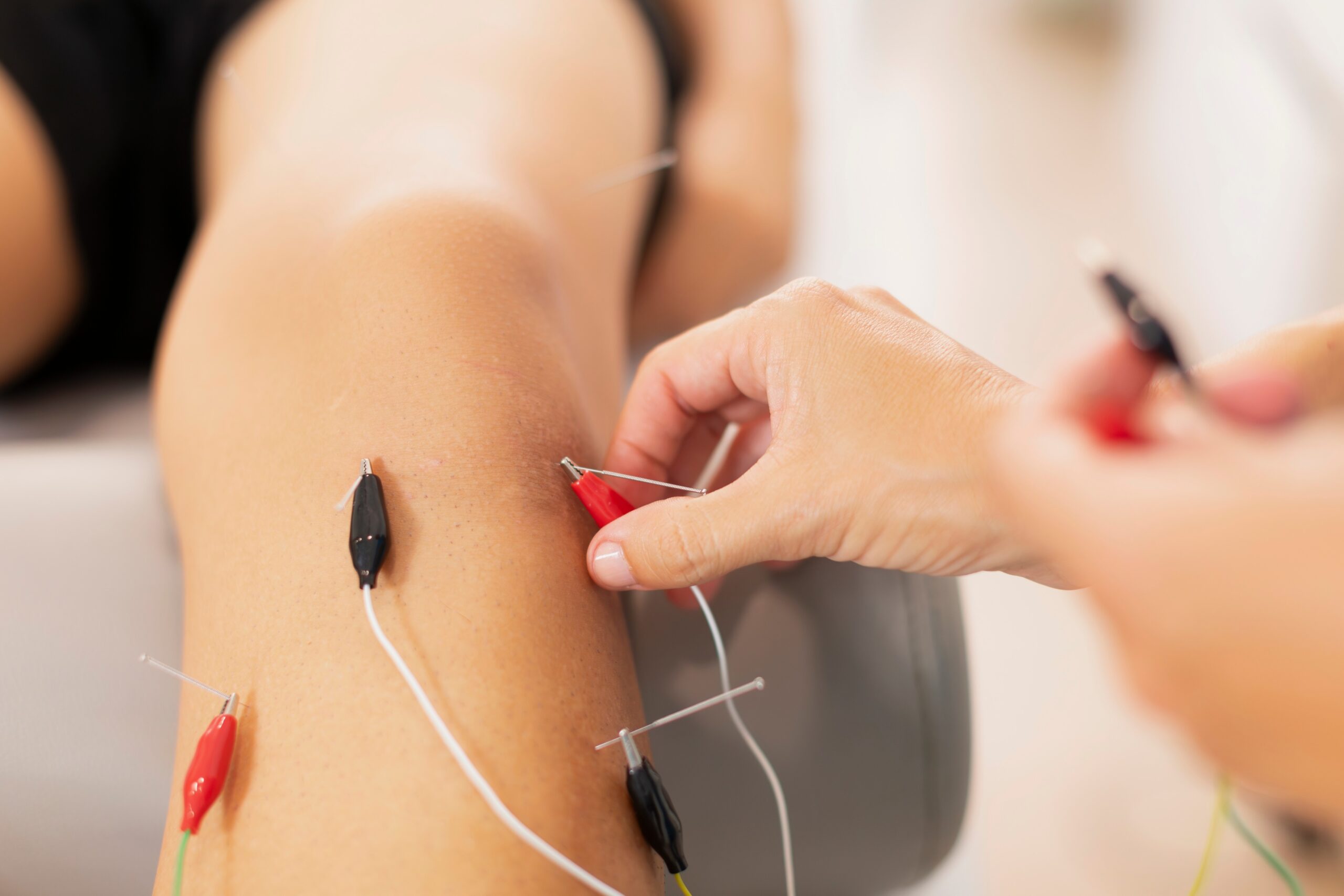
Changing sensory information. Restoring function.
A personalised clinical approach that looks beyond the location of pain to understand how the nervous system has adapted — and what may help it organise movement more effectively.
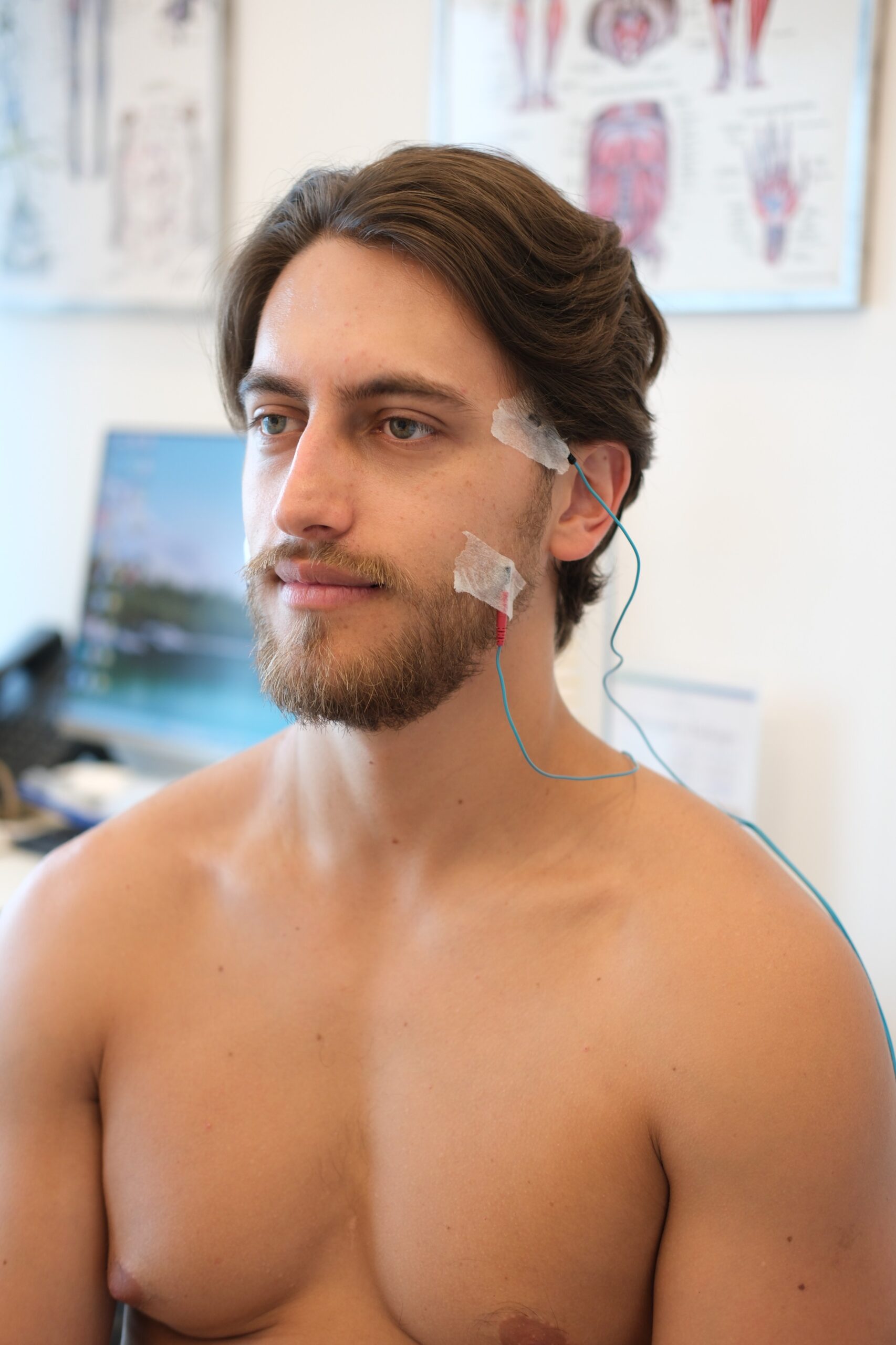
Never treat what you don’t understand.
Pain, dizziness, fatigue, headaches and movement difficulties rarely appear without a reason.
Sometimes the cause is clear. In other cases, symptoms emerge after years of injuries, surgery, repetitive movements, occupational demands, posture, sleep and lifestyle factors that gradually change the way the nervous system organises function.
Functional Neuromodulation is designed to investigate these adaptations. The objective is not only to reduce a symptom locally, but to improve the quality of sensory information reaching the nervous system and encourage healthier patterns of movement and function.
The Neurofunctional Assessment develops throughout the consultation. Every observation and every response adds information to the process.
Understanding your symptoms, medical history, lifestyle and the events that may have shaped your current function.
Observing how your body organises itself at rest and identifying potential compensatory patterns.
Looking at how your nervous system controls movement and what has become difficult that was once easy.
Treatment is tailored to your individual assessment and also helps test clinical hypotheses through your nervous system's response.
Every response provides new information, allowing the assessment and treatment strategy to evolve throughout the consultation.
Neuroplasticity is the nervous system’s ability to modify and reorganise itself. It allows us to learn a language, develop a sporting skill and adapt after injury.
The same biological process may also reinforce inefficient patterns after surgery, prolonged pain, repetitive stress or protective movement.
Functional Neuromodulation aims to provide targeted sensory information that may support more effective adaptation. The objective is not to force change, but to give the nervous system better information.
Observation begins from the moment you enter the clinic. The duration and structure depend on the complexity of your case and the information needed.
Book your consultationThe consultation begins with your experience, not a rigid checklist.
Natural movement patterns may provide important clues about functional adaptations.
The assessment is translated into a coherent hypothesis that you can understand.
Initial intervention may be used both therapeutically and to test how the nervous system responds.
Your response becomes new clinical information, helping the treatment strategy evolve.
Functional Neuromodulation may be considered as part of the management of the following symptoms and conditions.
Suitability for treatment is always determined following an individual medical assessment.

Consultant Family Medicine Physician with advanced training in Pain Medicine, Medical Acupuncture and Functional Neuromodulation.
Her clinical approach integrates neuroanatomy, neurophysiology, biomechanics and detailed observation to understand how the nervous system has adapted throughout life and how those adaptations may influence pain, posture and movement.
For Dr Coelho, every patient represents a unique clinical puzzle. The goal is to develop the most coherent explanation and a personalised strategy to support function and quality of life.
Hear directly from our patients about their experience, treatment journey and the difference a functional approach can make.
Every patient journey is different. Our approach focuses on understanding the underlying causes of pain and dysfunction rather than treating symptoms alone.
It focuses mainly on the area where the symptom is felt.
It explores adaptations, previous injuries, surgery, repetitive movement, posture, sleep and lifestyle factors as part of one coherent clinical story.
No. Treatment decisions are guided by the information gathered during the individual Neurofunctional Assessment and by the patient’s response throughout the process.
Yes, when clinically appropriate. Initial interventions may also help test clinical hypotheses and understand how the nervous system responds.
Every nervous system is different. Some patients experience noticeable changes early, while others require a more gradual approach as the clinical picture becomes clearer.
Not always. Continuous reassessment is important because the response to treatment helps the clinician understand the mechanisms contributing to symptoms and refine the strategy.
No.
There are no fixed protocols or universal treatment points.
Every treatment is based on an individual Neurofunctional Assessment. Two patients with the same diagnosis may require different approaches because the adaptations contributing to their symptoms may be different.
Imaging studies provide valuable information about anatomy, but they do not always explain how the nervous system is functioning.
Many persistent symptoms are related to altered movement patterns and nervous system adaptations that cannot be seen on MRI or X-rays.
Your consultation will determine whether Functional Neuromodulation may be appropriate for your condition.
Not necessarily.
Imaging findings need to be interpreted in the context of the patient's symptoms and clinical examination.
The consultation focuses on understanding the relationship between findings, function and the way the nervous system has adapted.
The number of sessions varies depending on the individual case, the duration of symptoms and the way the nervous system responds.
Some patients progress quickly, while others require a longer process of assessment and adaptation.
Treatment recommendations are always personalised.
No.
Although pain is one of the most common reasons patients seek treatment, the approach focuses on improving nervous system function.
Depending on the individual assessment, it may also be considered in patients with movement dysfunction, headaches, dizziness, temporomandibular disorders and other functional conditions.
No.
Symptoms are not always generated by the structure where they are felt.
The assessment considers the body as an interconnected system, including posture, gait, movement patterns and previous events that may have influenced function.
Because the nervous system continuously adapts throughout life.
Previous injuries, surgeries, repetitive movements and other experiences may influence how the body functions today.
Information that initially appears unrelated may become an important piece of the clinical puzzle.
Most patients tolerate treatment well.
Depending on the structures being stimulated, some temporary discomfort may occur, but patient comfort is monitored throughout the consultation.
Yes.
Functional Neuromodulation does not replace rehabilitation.
Instead, it may help optimise nervous system function, allowing rehabilitation and strengthening programmes to be introduced at the appropriate stage of recovery.
Functional Neuromodulation does not begin with a treatment point or a predefined protocol.
The first step is understanding.
The initial consultation includes a detailed functional interview, postural assessment, gait observation and movement evaluation.
This allows time to understand your story, identify functional patterns and develop an individualised treatment strategy.
A longer consultation is necessary because meaningful clinical reasoning requires more than identifying where symptoms are located.
Understanding comes before intervention.
Book a personalised Neurofunctional Assessment at German Dental & Neuromuscular Clinic in JLT, Dubai.