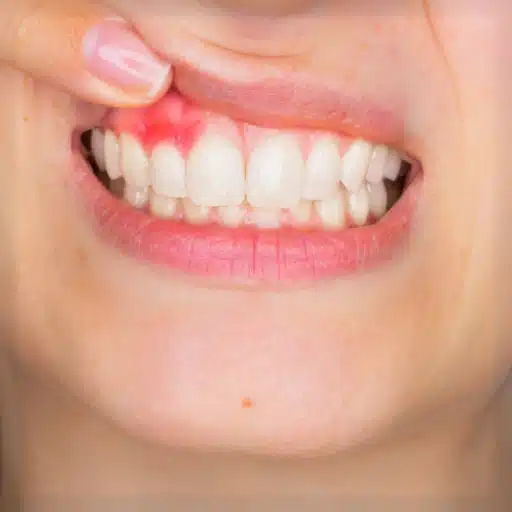
Are you experiencing tooth sensitivity, or do your teeth appear longer than usual? If yes, you might have gum recession. It is a dental condition where the gums gradually shrink and expose the tooth roots, causing pain, inflammation, and other serious dental health problems.
In this blog, we’ll take you through everything you need to know about gum recession, including its symptoms, causes, treatment, and prevention. So, let’s dive right in!
The first sign is a gradual exposure of the tooth necks, which makes the teeth appear longer. However, diagnosing gum recession is only possible through regular dental check-ups. It is crucial to visit your dentist at least twice a year and schedule an appointment as soon as possible if you experience any acute pain.
Apart from the visible exposure of the tooth necks, gum recession may cause tooth sensitivity and other dental problems such as periodontitis, cavities, and bad breath.
The primary cause is the inadequate dental and oral hygiene. If you don’t brush and floss your teeth regularly, bacteria and germs can proliferate in your mouth, leading to gum disease and recession.
Moreover, an unhealthy diet, teeth grinding, and clenching can also be a cause. Smoking is another major risk factor that reduces blood flow, making it harder for the immune system to fight pathogens.
If left untreated, it can lead to serious dental problems, including periodontitis, cavities, and tooth loss. Inflammation in the gum pockets can also spread to the jawbone and cause severe complications.
Treatment options depend on the severity of the condition. If it is caused by gum disease or other dental issues, the dentist will first treat the underlying problem to stop the recession.
However, in advanced cases, the dentist may recommend a gum transplant to prevent further recession and improve the appearance of the teeth.
The good news is that gum recession is preventable through proper dental and oral hygiene practices. Here are some tips to keep your gums healthy:
Gum recession is a common dental problem that can lead to serious complications if left untreated. By maintaining proper dental hygiene, eating a balanced diet, and quitting smoking, you can prevent gum recession and keep your gums and teeth healthy.
If you suspect that you have such a gum problem, don’t hesitate to consult one of our dentists. Early diagnosis and treatment can prevent further recession and help you maintain healthy gums and teeth for a lifetime. Remember, prevention is always better than cure! Book your appointment today and get the help that you need.