
About 8–10% of the general population grind their teeth during sleep, and in...Read More >>

Identifying Indicators:
What Bad Breath Reveals About Your Body
While having occasional halitosis or bad breath can be stressful, dealing with it on a daily basis can be tedious, to say the least. More often than not, bad breath is the result of either poor oral hygiene or an improper diet or a combination of both. Chewing gum, popping mints, and swirling mouthwash frequently to combat the condition can only prove to be temporary measures of treatment.
Do You Really Suffer From Bad Breath?
If you fear that your mouth has an apparent mal-odor which restricts your daily activities, your first step should be to visit a dental professional. They can reach a proper diagnosis after smelling your breath under controlled conditions (organoleptic testing) or by using an apparatus that can detect components associated with bad breath. Once you are officially diagnosed with halitosis, your dentist can keep you informed on the available treatment methods to improve your condition.
How Do You Get Bad Breath?
Bacteria can be identified as the root cause of halitosis diagnosis as well as recurrence after treatment. Sulfur compounds are actually produced as a waste product by bacteria that live in your mouth. These different compounds are found in everyone’s breath; the only difference is where the concentration is high, the bad breath smell lingers in your mouth. A whitish coating, known as dental biofilm, tends to accumulate on your teeth, above and below the gum line and on the tongue. As the accumulation increases, anaerobic bacteria grow in larger numbers that cause bad breath. The key to controlling bad breath lies in keeping the bacteria at bay as much as possible.
Having a perpetually dry mouth, either naturally, or due to a specific disease, can cause odorous breath as well. Strenuous fasting and crash diets end up causing a surge in the breakdown of fats which produce chemicals called ketones that have an extremely strong smell. Certain medications you take either produce pungent odors as they breakdown and release chemicals in the breath or reduce the production of saliva, causing dry mouth. Similarly, infections in the mouth, nose, and throat can also produce odors leading to halitosis persisting in your oral cavity.
How Do You Prevent It?
If your bad breath has been diagnosed due to an underlying health condition, your dental hygienist will direct you to the appropriate primary care provider. If, however, your halitosis is related to solely oral issues, your dentist will be more than happy to work with you on controlling the situation from getting worse.
An alcohol-free mouth rinse is also recommended to kill the buildup of bacteria (plaque) on your teeth. You might be advised to swap your regular toothpaste with one that contains an antibacterial agent. Avoiding any form of smoking and chewing tobacco-based products is also beneficial for your oral health and to keep your halitosis condition under control. Keeping yourself hydrated will also help flush out bacteria from time to time and keep the oral cavity clean and hygienic for a longer time.
Learn to recognize the onset of extreme halitosis early on, so if your bad breath persists despite trying to control it, you can seek the advice of a dentist for best results.
Antibiotics are typically used to prevent the bacteria from multiplying, and depending on the size and cause of the fistula, surgical treatment may be required. The dentist will locally anesthetize the affected area and drain the fistula. Follow-up treatment with antibiotics is usually recommended to speed up the healing process. If the cause of the dental fistula is an inflamed root, the inflamed part of the root tip will be removed.
If left untreated, dental fistula can lead to inflammation of the jawbone or even tooth loss. Follow-up care with your dentist is essential to monitor the healing process and prevent re-inflammation.
Related Posts
The Link Between Gum Disease, Alzheimer’s & Stroke — and how German Dental...Read More >>
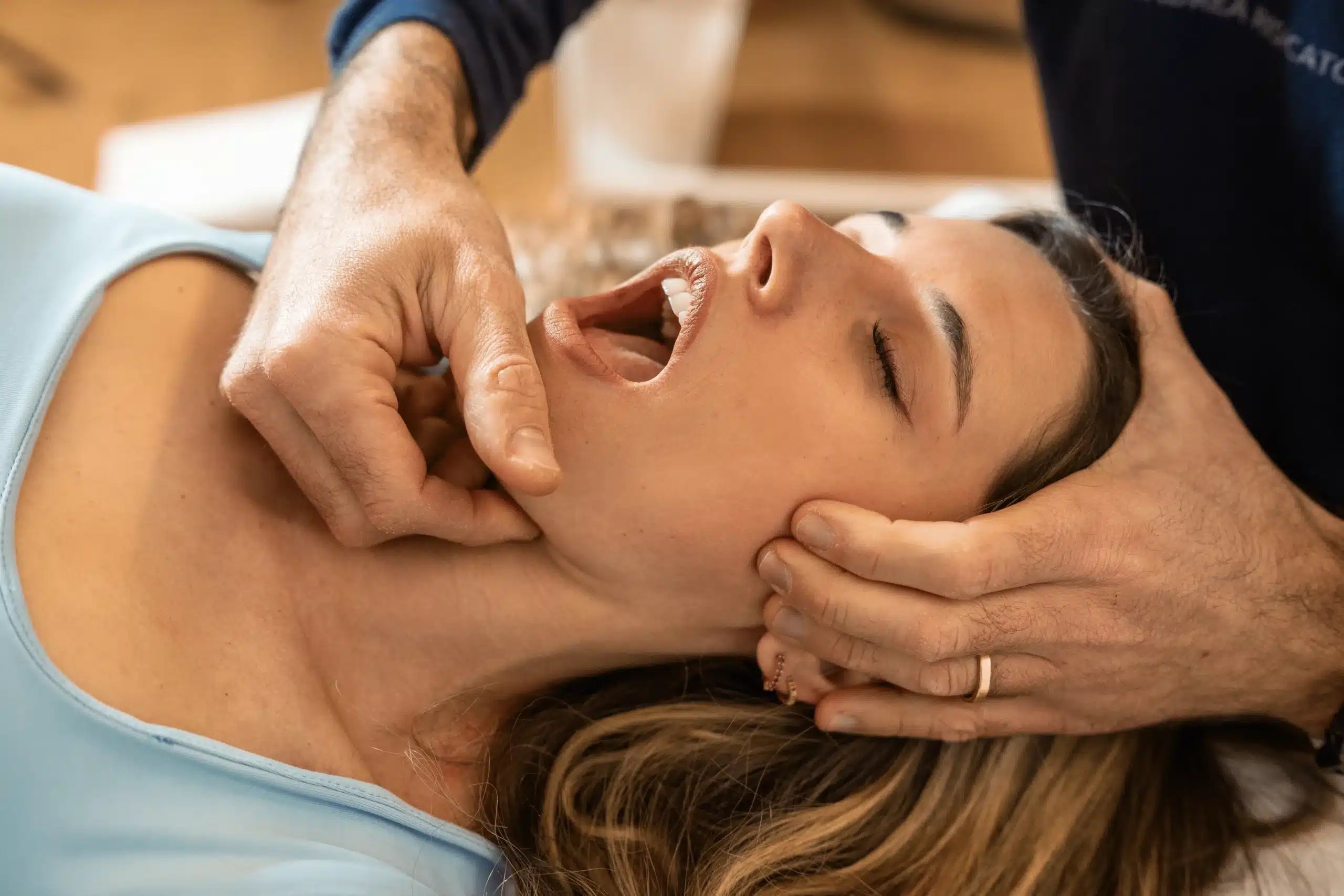
Are you struggling with TMJ pain in Dubai? Temporomandibular Joint (TMJ) disorders are...Read More >>

Aging brings various changes to the body, and dental health is no exception. ...Read More >>

Holistic Approach: Connecting dentistry with overall physical health Dental clinics in Dubai are...Read More >>
Nutrition for healthy teeth: Impact of diet on oral hygiene The link between...Read More >>

Latest Technologies in Dentistry: Unveiling Cutting-Edge Services at our German Dental Clinic in...Read More >>
Why Do Patients choose our German Dental Clinic in Dubai Patients choose our...Read More >>

Support Your Oral Health During Pregnancy A woman goes through a lot of...Read More >>

How Does Guided BIOFILM Therapy GBT Work in Teeth Cleaning? As part of...Read More >>